How to study the Bible. Study the Bible
for yourself.
Observe. Interpret. Apply.
A three-step method for reading Scripture closely, and everything to do it with: every book of the Bible in four minutes, three free video courses, printable study sheets, a study community, and notes from the lab.
11Now these were more noble than those in Thessalonica, in that they received the word with all readiness of the mind, examining the Scriptures daily, whether these things were so.
What is actually on the page? Three commands, one "therefore," two contrasts. Count the verbs before you count the doctrines.
1I beseech you therefore, brethren, by the mercies of God, to present your bodies a living sacrifice, holy, acceptable to God, which is your spiritual service. 2And be not fashioned according to this world: but be ye transformed by the renewing of your mind, that ye may prove what is the good and acceptable and perfect will of God.
- Observe. What is actually on the page? Three commands, one "therefore," two contrasts. Count the verbs before you count the doctrines.
- Interpret. "Therefore" rests the whole appeal on chapters 1 to 11. "Spiritual service" is temple language: the sacrifice has moved from the altar to the person.
- Apply. Where is your mind being fashioned this week, and by what? Name one input to change. Discernment follows renewal, not the other way round.
JOHN 1:1–3 · ASV · MOVE THE MOUSE ACROSS THE TEXT
Look closer.
1In the beginning was the Word, and the Word was with God, and the Word was God. 2The same was in the beginning with God. 3All things were made through him; and without him was not anything made that hath been made.
The text had a first language. The lens shows it under John's words, for the pleasure of seeing it. Everything on this site is in English.
- OBSERVE
- John uses it four times in five verses, and always with "the." A specific Word.
Scripture quotations marked SBLGNT are from the SBL Greek New Testament. Copyright 2010 Society of Biblical Literature and Logos Bible Software.
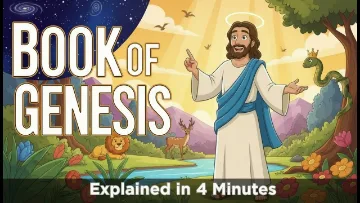
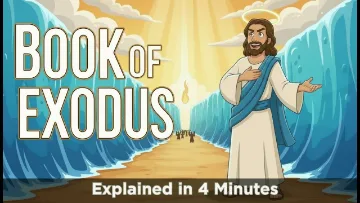
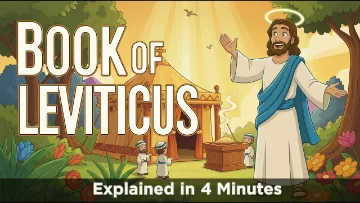
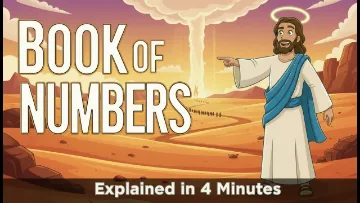
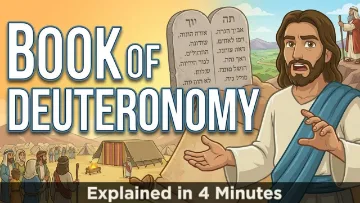
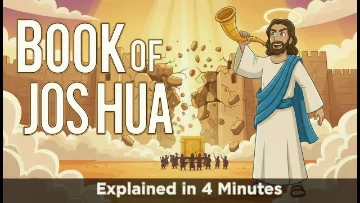
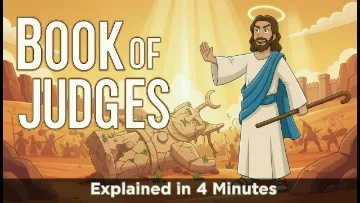
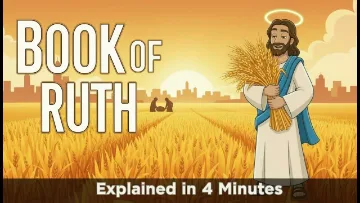
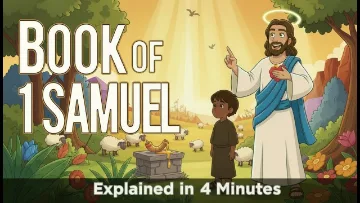
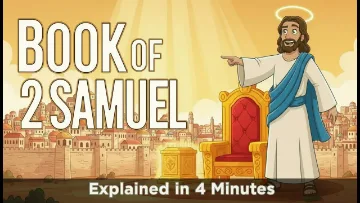
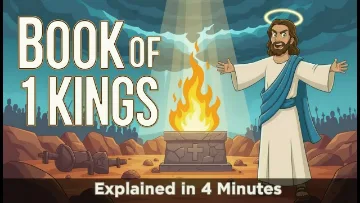
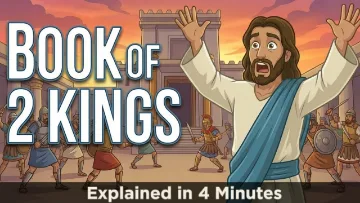
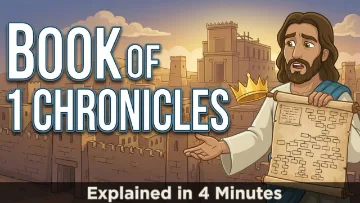
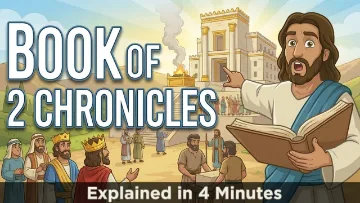
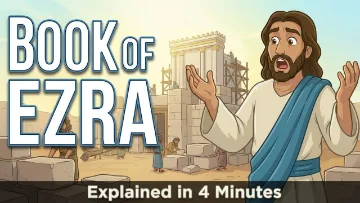
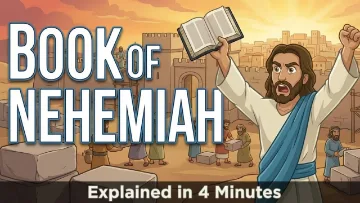
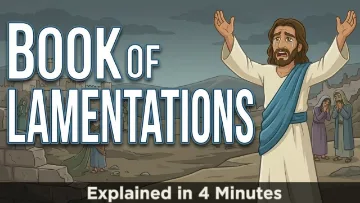
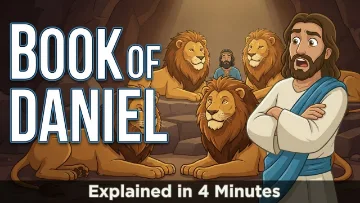
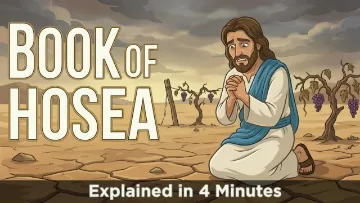
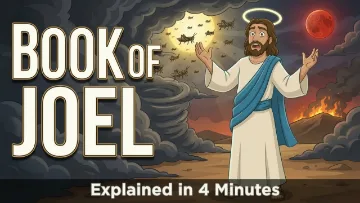
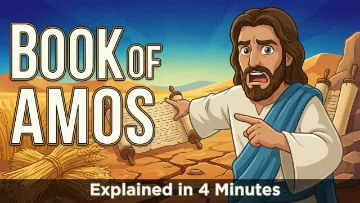
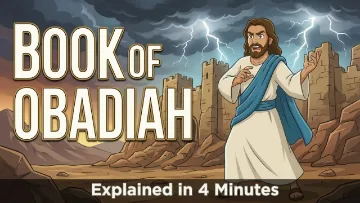
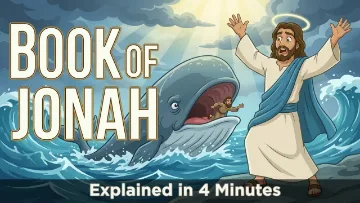
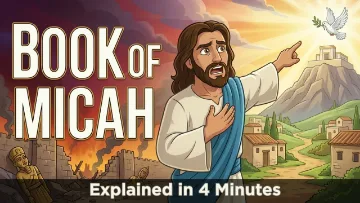
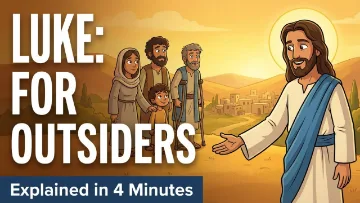
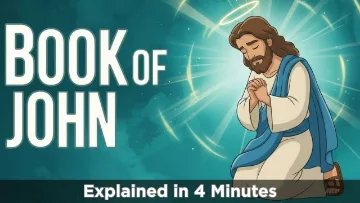
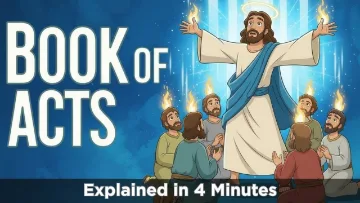
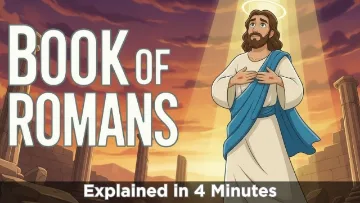
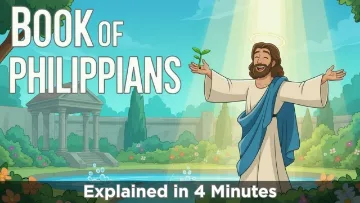
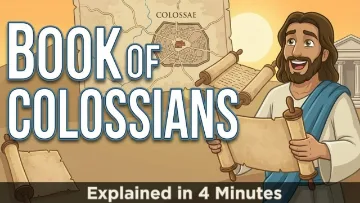
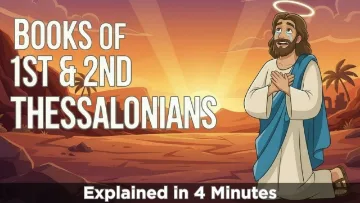
Every book of the Bible, in four minutes.
Sixty-six books, one short video and a written overview for each: who wrote it, the world it came out of, what it argues, and where it sits in the whole story. Start with either testament.
Three labs. Free.
Short video lessons, in order, on the site. No sign-up to watch.
Study with
people.
A study community on Skool, free to join. The book-by-book overviews in one place, video-led studies that walk a passage together (7 Days with Jesus, God's Peace, Heard: a study in the Psalms), and a place to ask the question you were embarrassed to ask. A premium tier exists for people who want more; it is a membership, not a contract.
Questions, answered.
The things people ask before they start.
What is OpenBibleLab?
OpenBibleLab is a collection of Bible study resources designed to help you read Scripture with greater clarity, context, and confidence. We offer book guides, short video overviews, self-paced courses, and a growing community for people who want to go deeper in their study of the Bible.
Where should I start if I am new?
A great place to begin is the free How to Study the Bible course. If you already have a specific book of the Bible in mind, you can also start with one of the free study guides and use the short overview video as your first introduction.
Are the Bible study guides free?
Yes. OpenBibleLab offers free guides for every book of the Bible, along with short video overviews, as well as a free course on how to study the bible and a free community to join on Skool. We also offer additional resources for a paid membership in the Skool community, details are on the Community page.
What is the difference between the guides, courses, studies, and community?
The guides help you study specific books of the Bible. The courses teach core study skills and give you a more structured path. In the Skool community, we offer prebuilt video-led Bible Studies on various topics. The OpenBibleLab Skool community is a place to ask questions, discuss what you are learning, find additional resources, and grow alongside others.
Do I need to know anything about the Bible before using OpenBibleLab?
No. OpenBibleLab is designed to be useful for both beginners and growing students of Scripture. Our resources are built for readers at any stage of their journey. If you are just getting started, the resources can give you a clear path. If you already have study experience, they can help you go deeper with greater structure and consistency.
Is OpenBibleLab for personal study or group study?
Both. Many people use the resources for personal Bible reading, but they also work well for small groups, study partners, and church communities that want a more thoughtful framework for discussion and reflection.
What if I want to go deeper after the free resources?
Once you have explored the free guides or completed the introductory course, you can continue into the more structured labs, guided study experiences, and the OpenBibleLab Skool Community. The goal is to give you a simple path from first steps to deeper habits of study over time.
Free downloads.
Printable study sheets and reading plans. No sign-up to browse them.
Notes from the lab.
Articles that read a question the way the method reads a verse: what the text says first, then what it means.
 SEP 28, 2026 What does the Bible say about blasphemy, and is it still a sin today? Blasphemy is not an outdated category from medieval courts. The Old Testament law treats it seriously, Jesus intensifies the warning rather than relaxing it, and Revelation still names it as the great sin of the end. Here is what the text actually says, and how to respond.
  SEP 24, 2026 What Is the OIA Method of Bible Study? The OIA method gives you a simple, honest way to open any Bible passage: observe what it says, interpret what it meant, and apply what it asks of you today. Here is how it works, step by step, with one passage worked all the way through.
  SEP 21, 2026 What does the Bible say about pastors and church leaders being attacked or killed for their faith? The headlines keep coming. Another pastor shot in Myanmar, another slaughtered on the road to a Sunday service in Nigeria. Before we rush past the grief, the Bible has much to say about shepherds who are struck down, and about how the flock should respond.
  SEP 17, 2026 What Is the Best Way to Study the Bible Online? The best way to study the Bible online is not a single tool but a repeatable method that pairs careful observation with community. Here is an honest comparison of the main approaches and a process you can start using this week.
 Start
with one
book.
Pick a book, watch its four minutes, then open it and read. That is the whole first step.